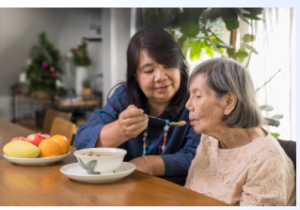
Most families do not begin their search for care with a list of services. They start with concern. Something feels off. A parent seems withdrawn. Daily tasks take longer. The house feels quieter than it should.
In Los Angeles, where families juggle distance, work, and responsibility, the question becomes urgent and deeply personal. Who can help without taking control?
Home health care for the elderly in LA that families trust must feel steady, respectful, and consistent. It must fit into real lives, not disrupt them. The difference lies in how care is delivered and by whom it is delivered.
Care That Respects the Person Before the Condition
Aging does not erase identity. It does not cancel preferences, habits, or values. Yet many care models reduce people to tasks and schedules. In-home care works best when it begins with listening. Care teams learn how a person lives, not just what support they need. They note morning routines, food preferences, social comfort levels, and emotional triggers that influence daily moods.
This approach protects dignity. Seniors remain decision-makers in their own homes. Care adapts to them, not the other way around. Home health care for the elderly in LA honors independence while offering practical support. That balance defines quality care.
Providers focus on the individual first, ensuring every interaction reinforces a sense of self-worth and autonomy. Families notice the shift when their loved ones engage more fully in conversations and choices, rather than withdrawing into routines dictated by outsiders.
Why Familiarity Changes Outcomes
Familiar faces matter greatly in senior care. When seniors recognize the person supporting them, they relax. They speak openly. They cooperate without resistance. Trust grows through repetition, not mere explanation. Studies and caregiver observations suggest that consistent interactions can help reduce anxiety levels, leading to improved cooperation with daily activities, such as bathing or meal preparation.
Families feel the difference too. They stop repeating instructions to new faces. They stop worrying about gaps in understanding. Care becomes predictable and calm. This reliability extends to handling unexpected events, like a sudden bout of fatigue, where a familiar caregiver knows precisely how to respond without alarming the senior.
How Services Are Structured Around Real Life
Care must fit the household, not disrupt it. Services support daily living without taking over. Assistance includes personal care, such as bathing and grooming, mobility support for safe movement around the home, medication reminders to ensure timely doses, companionship to combat isolation, and light household tasks like meal preparation or laundry. Caregivers stay attentive without hovering. They assist without rushing, allowing seniors to set the pace.
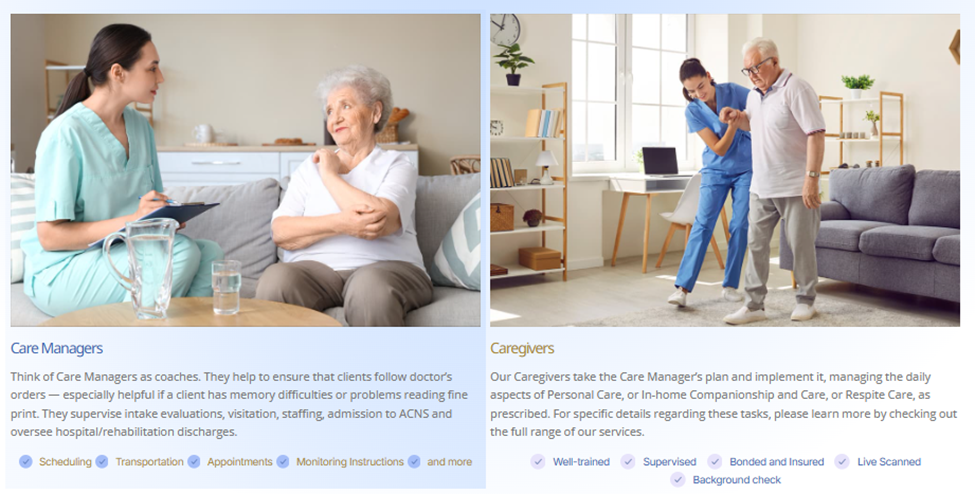
This structure allows seniors to remain active participants in their lives. They continue hobbies like gardening or reading in their favorite chair. It also reduces stress for families managing care from nearby neighborhoods or across the city, freeing them to focus on visits rather than logistics.
Emotional Health Shapes Physical Well-being
Emotional stability directly influences physical health. Seniors who feel safe and valued move more freely. They eat better, maintaining nutrition that supports strength and immunity. They engage socially, which combats the decline often seen in isolated individuals.
Care that ignores emotional needs often struggles to deliver lasting results. Home health care for the elderly in LA preserves familiarity and routine. It keeps seniors connected to their surroundings, such as familiar artwork on the walls or the scent of home-cooked meals.
These moments support overall well-being and maintain balance. Physical therapy exercises become easier when paired with light-hearted chats. Sleep improves with evening routines that feel comforting rather than clinical. The result is a holistic uplift that benefits both body and mind.
Supporting Families Through Partnership
Families do not want to disappear from the care process. They want clarity, communication, and trust at every step. Care works best when professionals partner with families. Clear care plans set expectations from day one, outlining routines and contact protocols. Ongoing communication fosters confidence through regular updates via text or phone calls.
This partnership enables families to focus on meaningful connections rather than logistics. A daughter in Pasadena can visit for a game night, knowing that mobility aids are readily available. Sons working downtown receive summaries of the day’s activities, which eases the guilt over long hours. The shared responsibility lightens the emotional load.
Companionship That Feels Natural
Loneliness affects many seniors, including those who receive physical assistance. It creeps in during quiet afternoons or empty evenings. Real companionship feels unforced and genuine.
Quiet activities create comfort, too. Folding laundry together sparks stories. Listening to music revives memories of dances attended. These interactions lift mood and encourage engagement.
Seniors feel valued as individuals with histories. Days feel less repetitive, infused with a sense of purpose. Companionship remains an essential part of care, not an afterthought. It fosters resilience, helping seniors face health dips with optimism rather than despair.
Why Families Choose MyAngelConnect?
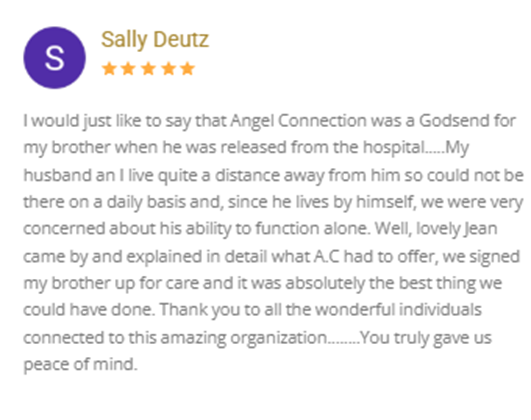
Families choose care providers who listen, respond, and remain accountable. They seek experience grounded in empathy and proven results. MyAngelConnect builds home health care for the elderly in LA around people, not rigid processes.
One final mention highlights their commitment: Every caregiver is vetted not just for skills, but for kindness, ensuring that the person walking through your door treats your loved one like their own family.“
This approach supports both the individual and their loved ones. It turns potential frustration into teamwork, preserving family bonds amid uncertainty.
Moving Ahead with Support That Restores a Sense of Calm
Early signs often appear quietly. Withdrawal during calls. Fatigue after short outings. Unease in familiar tasks. Addressing them early changes outcomes dramatically. Proper care restores balance and confidence, preventing further declines.
Home care for older people in LA that families deserve should feel calm, consistent, and human. It supports daily life without taking it over. When care respects both the person and their home, aging becomes more manageable. Even meaningful.
FAQs
It includes personal care, such as bathing and dressing, mobility support for safe navigation, medication reminders, companionship to alleviate loneliness, and light household assistance, all delivered in the senior’s home.
Yes. Caregivers employ calm, respectful approaches emphasizing routine, familiarity, and emotional safety to minimize confusion and support daily confidence.
Ready to Choose Care That Feels Right?
When care feels steady, life feels lighter. If your loved one requires respectful and consistent support at home, it may be time to take the next step.
Speak with a care specialist today to discuss personalized in-home support built around trust, dignity, and real life.